
No matter what “type” of homeschooler you are, you’re a parent who loves your kids and wants them to thrive. You’ve done research. You’ve found curriculums you believe serve your kids, you’ve weighed options, you’ve made tough choices. Some of you could be well on your way to a PhD with the number of deep dives you’ve done.
At least once, you’ve devised Your Plan.
Depending on how intense or bare bones it is, Your Plan causes others to react in all kinds of ways. Maybe you’ve changed Your Plan a dozen times. Maybe not.
We all have different strengths and weaknesses, different roles to play in God’s plan, different children to raise.
We each have different budgets. Different terrains. Different schedules.
And we’re trained, by capitalism at the very least, that enrichment means to add. We must add in the richness rather than discover the richness within what God has already provided.
Does your plate feel so full that all the flavors that sound good by themselves are just muddled together in a blur, one thing toppling over the next? Is it all just a roar you want to escape?
Are you drowning beneath to-do lists, feeling like a failure when only a humble handful of crossed-out tasks look back at you at the end of the day?
Do your children groan at the burden of their education, rather than see understanding and discovery as a never-ending treasure hunt that makes life grand?
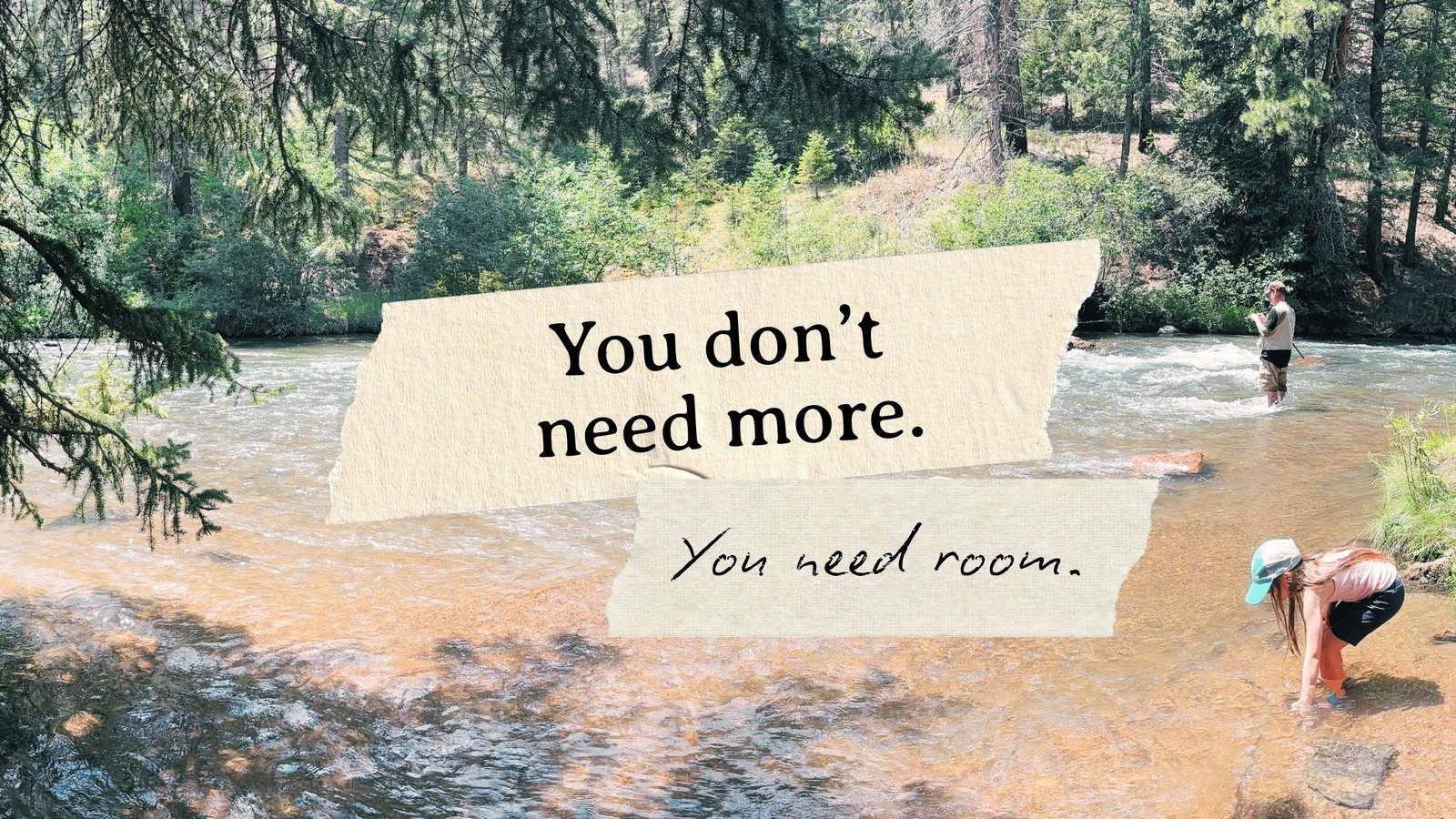
No matter what supplies you’ve accrued with the specific intent to homeschool, there is one huge, God-given provision that I encourage you to use more than you may realize you can:
Your Everyday Life.
Making Family Life Meaningful
If you’ve ever taken the StrengthsQuest assessment, you’ve seen what your “Top 5 Strengths” are from their master list. One of mine that I weave into everything is (this sentence literally proves it) connectedness.
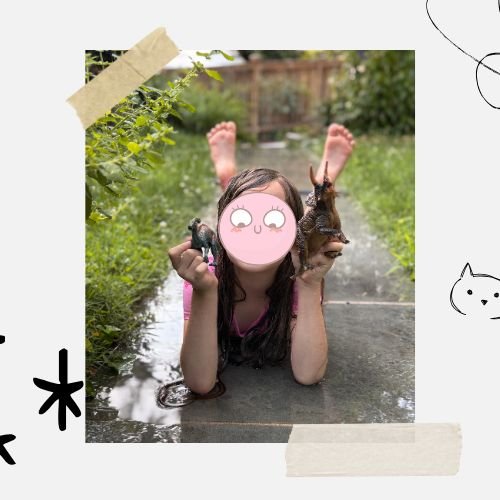
Because of this, I joke around that “everything is homeschool.” I don’t say it as an excuse to avoid structure or worksheets or a good ol’ curriculum. I say it because I see the opportunity to grow and expand everywhere.
And when I see learning everywhere, the pressure to check off every subject with something I can hold in my hand fades away.
I love being a homeschooling family. I get nerdy and invigorated figuring out all the ways to extract curriculum out of the life we’re living and refine it with more formal supplements.
So when I hear someone struggling under all the expectations and weight of the curriculum and schedules they’ve chosen, I’m sad.
I made Arrows for Arrows hoping to spark new ways of thinking, help families save money by using what they’ve already got and spend money in the areas where it will count the most, and—perhaps most importantly—getting everyone enjoying the ride.
Rather than see homeschool as something you need to fit into your life, start looking at your life as the medium through which you will homeschool.
After all, we are training our children to navigate the world through the lens and with the heart of Christ.
So ask yourself: What is the point of learning each subject?
I’m excited to say there are many reasons for each subject you reflect on! Once you know the point, you can figure out where to find the methods and how to use them.
Rather than recreate school at home, we have the beautiful freedom to let life be school and to serve as guides. We don’t need to manufacture meaningful experiences for our children. Childhood is already meaningful. Slow down and you notice it.
Some of our children’s richest learning happens while we cook dinner, fold laundry, drive somewhere, or work outside together.
And I love a good worksheet! Every worksheet is handwriting practice and an opportunity for conversation and relationship building. I literally sell worksheets and unit studies that list “the real world” under needed materials. I use paper to refine understanding, not necessarily to introduce it.
Simple Doesn’t Mean Minimal.
Before you add another system, curriculum, activity, product (even mine!), or routine—ask whether you actually need it.
I’m not an overzealous minimalist, by the way. But I am a cutthroat reducer, constantly analyzing what leeches our energy and what recharges us.
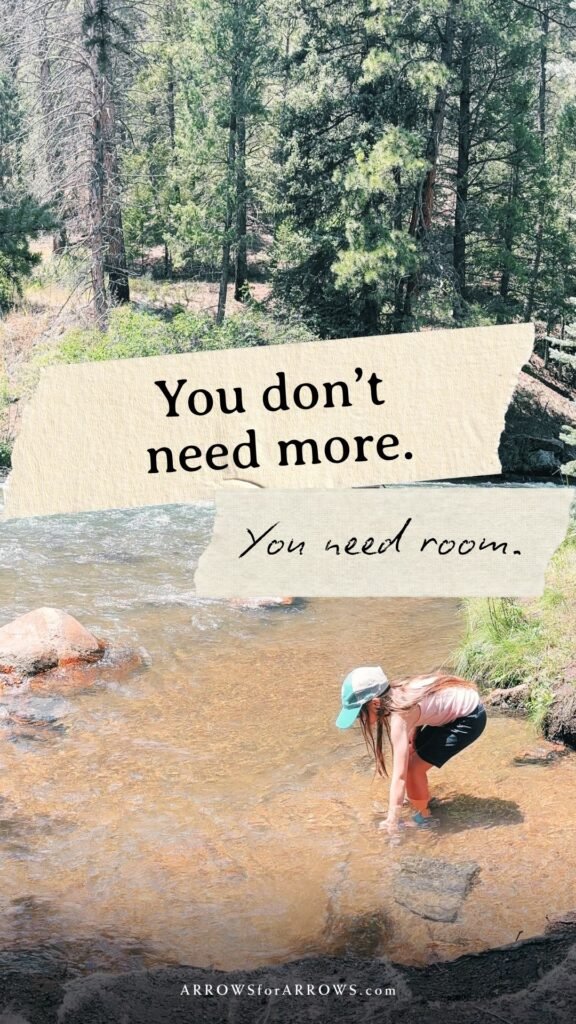
Simple living for families isn’t about having fewer things just to say you have fewer things. It’s about making room for what matters and what helps you get where you’re going.
Do you want a cozy life full of snuggles and good conversation? Then please do keep all those pillows.
But, in the same vein, get rid of some of the stuff that makes it hard to sit down and just chat.
Simple living isn’t boring living. In fact, I’ve found simple living unlocks depth in what already exists in our day and removes barriers to enjoyment.
We’re not about lowering standards. We’re about having a single priority and healthy expectations that pay out more than we ever expect, without needing to control the returns on investment.
Think on three things:
- Trust God with the payout (I call Him the God of the Outcome).
- Ask, “Does this bring God glory?” when determining commitments.
- Seriously consider if saying yes to something new will make you worse at a ministry you’re already committed to.
Not everything good is of God for you.
Mint is a strong flavor. As is cinnamon. Lemon. Asparagus. Apple Cider Vinegar. Fish.
And they all, in my opinion, taste lovely. They all have their purposes.
You don’t throw them all on a plate together and expect to enjoy it. You pick some and leave some out so you can actually taste the dish you’re making.
I’m not saying to empty out your life, though you may feel a little loss when you let some things go. I’m giving you permission to let go of some things you swear are useful but that really rob your day of the energy and attention you need to get the real jobs done.
The problem isn’t that any one flavor is bad. The problem is that you’ve stopped being able to actually taste any one of them enough for the flavor to even matter.
I’m not anti-sports at all. I’m anti-reliance on the idea that every good thing must be a formal program, curriculum, or project to be real and effective.
Are you running all over town for a sports league so that they get socialization, exercise, and character development? Is it running y’all ragged, robbing you of quality family dinners and maybe even missing church service to make games?
You know what else can socialize, exercise, and develop character?
Life.
The errands, chores, and family life already required of you and your family can teach the very same things. Have faith that you don’t need to outsource how to win and lose, how to wake up early, and how to push to improve onto a program. You can have a life at home that dictates and fosters the same things.
I’m also anti-feelings of inadequacy that whisper to you that you aren’t good enough to teach these things to your very own children.
I love my kids so much, but they don’t always need what looks best on paper. God doesn’t need the best the world has to offer in order to do amazing things.
Give yourself room to pick a local piano teacher instead of the renowned youth orchestra a 50-minute drive away if walking to Miss Wilson three blocks down gives you time to teach your kids to cook, carry conversation at the dinner table, and save you $750.
Your child will still learn piano.
And, if that’s something God wants them to be a virtuoso at, He’ll make that clear by paving a way. Or, Miss Wilson will be the one to cultivate it.
You are going to meet a homeschool family that is connected to the best of this or the most famous of that. You’ll meet the homeschool mom that juggles more than you better than you. You’ll meet the homeschool dad that can take his kids out to forage and build a shelter out of river cane in the forest behind their hand built cabin in the woods.
You are also going to meet a homeschool family on the most discouraging, tightest budget. You’ll meet the homeschool mom that can’t tell you the difference between Charlotte Mason and Classical Conversations. You’ll meet the homeschool dad that is rarely home in order to clock enough hours to fund the home in homeschool and couldn’t tell you what his kids are learning.
Any one of them could distract and derail your focus if you let them.
You’re not in a race with any of them. You’re really only in a race against the enemy.
The family with the best of something? The family with so little?
He is at work in both.
The family bursting with togetherness? The one that battles distance?
He is at work in both.

so we took time to identify and read about it.
He is the God of the Outcome
I’m not here to dilly dally around the Lord Jesus. He’s our priority. Singular. Everything else falls into its rightful place when I place Him as the head of my life.
He has a plan for your life and for the life of each of your children. Let Him reveal that to you bit by bit, as He often does.
He cares about the little things so much. So ask Him to make His choices plain.
“Which piano teacher do you want for Hailey?”
“Lead me to a way for Matthew to finally understand fractions.”
“Take away what needs to be cut out.”
“What co-op do you want us to have?”
Wait for the answers to come, because they do.
Proverbs 16:9 NLT
I’m giving you permission to stop proving yourself to the invisible (or maybe very vocal!) skeptics and critics and just live your life.
So what does this actually look like when you wake up tomorrow morning?
What does Simple Living look like?
1. Make Room for Silence, Boredom, and Rest.
I often find we demonize at least one of the three. In our home, this looks like leaving empty blocks on the calendar for the unexpected without thinking they need to be filled with more commitments. That way, we have buffers for the unexpected needs, treats, and callings that God brings us. We don’t want to be so busy that we can’t say yes to helping someone, nor do we want a life so crazy that helping someone throws everything else into chaos.
Not every night is open, but we hold some so that we can sit and decide on a whim to go for a walk, kick around a ball, or play abridged Monopoly. (Hey! That’s business and math!)
Some of our greatest conversations have happened on nights when we had nothing planned and could just sit and talk.
Boredom has birthed many brilliant ideas and works of art.
I really love this part, too: slowing down to savor a job well done. Instead of racing off to the next task, take a second to appreciate what just happened. Get some dopamine from a good job, y’all!
2. Use What You Already Have
Make a walk an adventure by flipping over stones or walking a new neighborhood. Make a simple 5-item scavenger hunt inspired by the latest unit in History, Science, or Math.
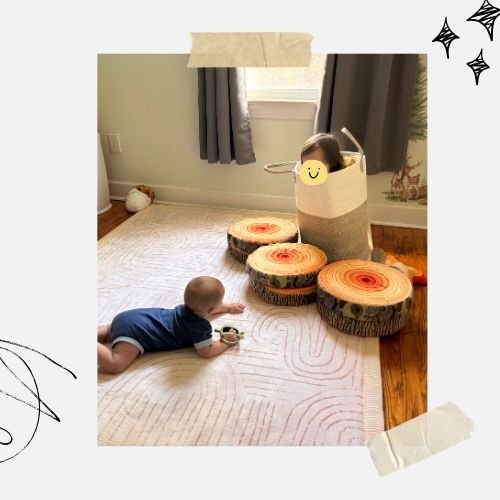
Teach counting with legos or crackers instead of buying special counting blocks.
Practice fractions every Friday on Pizza Night.
Cooking is chemistry, math, reading comprehension, patience, and motor skills.
A trip to the grocery store can practice reading, navigation, money math, conversions, and nutrition.
Google Maps can teach geography.
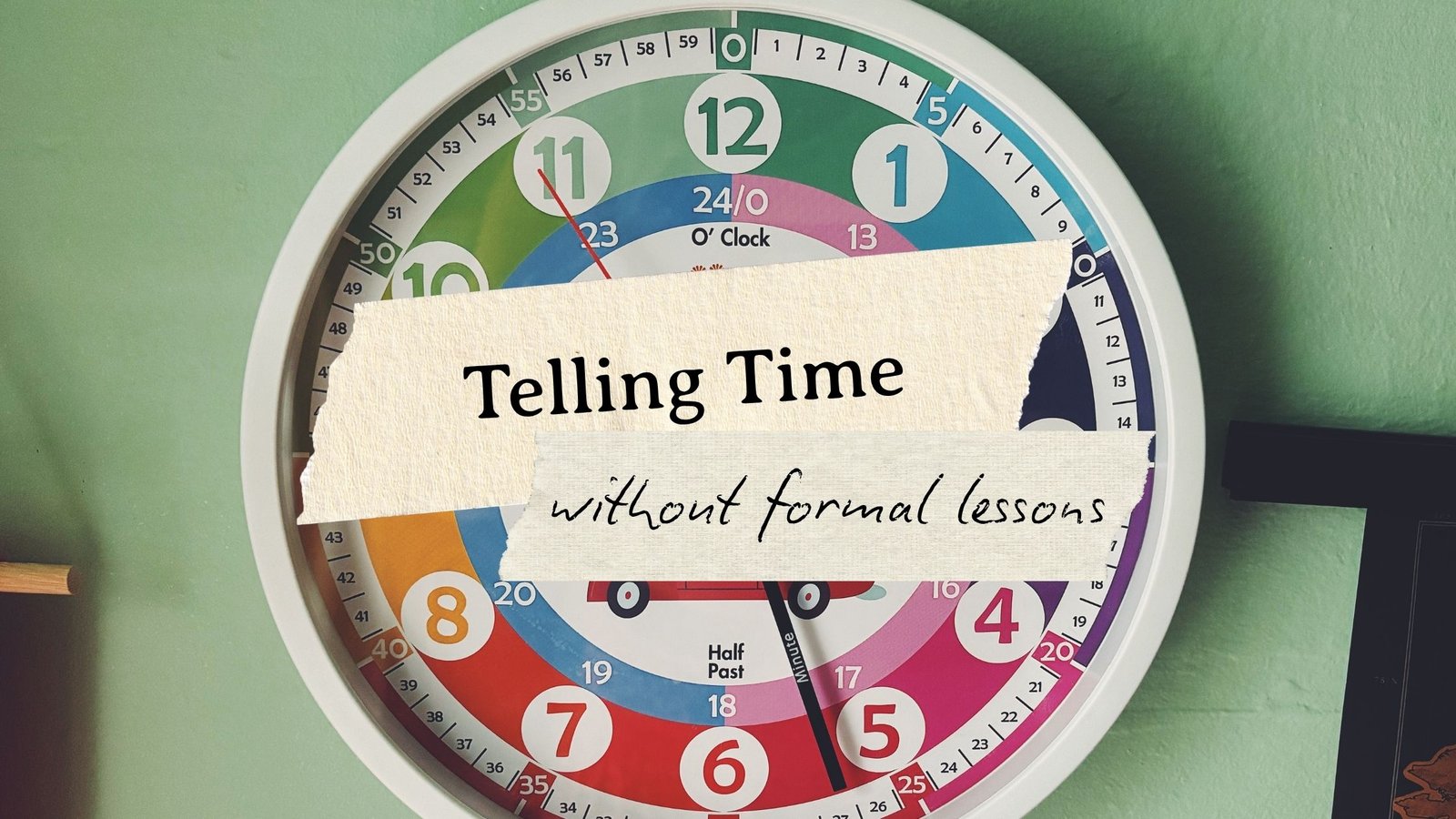
The oven clock can teach military time.
Family movie night can be a historical piece related to a current unit study.
Have fun looking at stuff in your house and figuring out how you can teach with it.

3. Choose Depth Over Breadth
Pursue quality over quantity. Let interest afford more time and let frustration merit a break. Breaks aren’t failure. Also, memories consolidate during sleep and it’s always fun to see how much more our daughter grasps something a few days after she first learns about it.
Leave fewer options “on the table” but make sure the options are hits with your family. This may mean less board games, but they are the family favorites. Less toys, but the ones that remain have multiple uses and are great for imagination. Maybe less weekly travel-based commitments, but they are ones everyone gets something out of. Fewer activities during vacation, but everyone gets to pick one “Must Have” to look forward to doing. Even less recipes but you can knock them out fast and please everyone.
Sometimes we sign our kids up for a ton of activities so they can be well rounded. I get that! But, you don’t need to hit everything in the same season. Reserve time and energy to get better at something of interest and see where it leads.
4. Protect Relationships & Shared Life
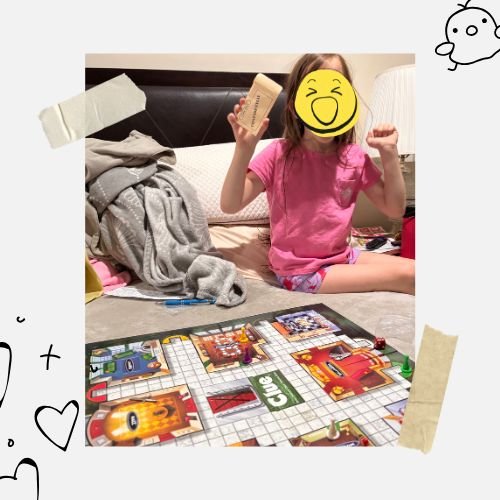
Hold at least one day a week for family fun and family-oriented tasks. (We find Costco runs and yard work to be both.) Simple living doesn’t mean doing nothing, together. It means doing more of life, together.
Leave room for a good conversation. This can look like sitting just to sit and seeing who walks in and sits down beside you.
Reserve enough time that you can afford to slow down cleaning the house or cooking a meal so your children can join in and learn from you. Sit around and enjoy time together while folding clothes. Clean the kitchen or dining room together, with each person having their own tasks. Celebrate one’s wins with the whole family.
Let the house be lived in, and tidy up together. Periodically donate and regift things to keep cleaning from getting overwhelming.
Find contentment in choosing one thing you really want to do over trying to squeeze in everything you ever want to do as fast as you can. The goal is not to store up as many experiences as you can, but to actually experience whatever you’re doing as much as you can.
5. Let Growth Happen in Its Time
Let things take the time they take. Don’t panic if reading comes slower to one child and subtraction slower to another. Slower doesn’t mean nonexistent. You’re going to be with these kiddos every day for years. Give them support and patience, and trust that growth doesn’t have to happen on your preferred timeline.
Rejoice in signs of growth instead of holding off for perfection. Please do have standards to enter a contest or get something published, but celebrate growth as it comes without expecting mastery by a deadline.
God is working under the surface. Talents may already be known, or still to be uncovered. Passions are discovered over time. Somewhere in there is a calling. Let God cook.
Simple doesn’t mean passive. It means being intentional without needing to control every outcome.
Set up life to have many intentional choices—the kinds of books, movies, and games in your home; the music you listen to; the people you spend time with; how you structure your days and reserve room—and then see how life plays out around them.
Every single choice doesn’t need to be official or optimized to be impactful. Drops in the bucket lead to overflow, just at a different pace than a hose on full blast.
Give His Plan the freedom to override Your Plan. Maybe His Plan aligns just right with Your Plan. Maybe you need to change Your Plan. Maybe you need to toss half of Your Plan out the window.
That’s okay.
Your job isn’t to make the perfect plan. It’s to faithfully walk the steps God puts in front of you, uncovering His plan as you go.
An ordinary life appreciated is an extraordinary life to live.
♡, Michelle







Leave a Reply
You must be logged in to post a comment.